Most AI agents remember too much
I gave one a five-tier memory architecture. It got confused. Here's what I learned.
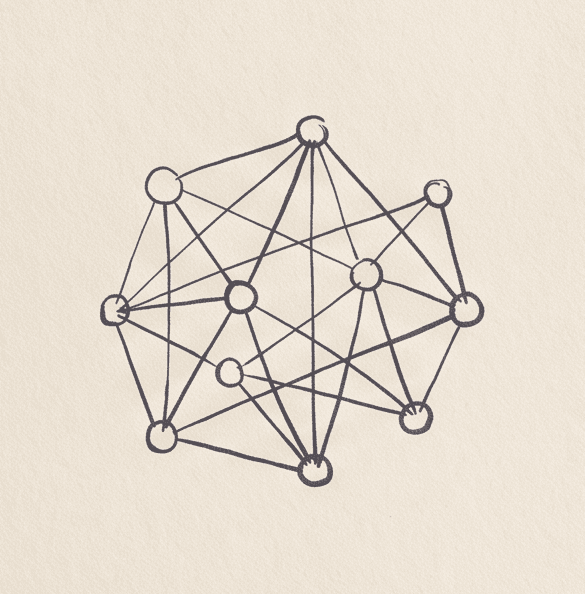
I built an agent with a five-tier memory architecture. Episodic for what happened. Semantic for what it means. Procedural for how to act. Strategic for why it matters. Meta for how to learn.
On paper, it was impressive. In practice, it was confused.
It treated a three-week-old failed approach as valid input. It held onto context that had been explicitly overridden. It was loyal to the past in a way that made it unreliable in the present.
And I realized this is also a human problem. The best operators I've worked with don't have the best memories. They have the best filters. They know which signals to carry forward and which ones to drop.
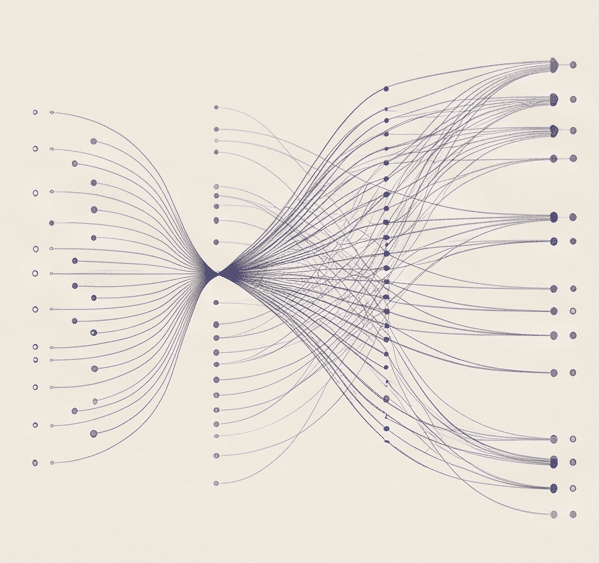
Same principle applies to AI systems: forgetting on a schedule is a feature, not a bug. Recency bias, when intentional, is actually smart. The question 'what should this agent remember?' is a product decision, not just a technical one.
If you're building AI workflows for your team, ask: what outdated context is your system still acting on? It might not be a capability problem. It might be a memory hygiene problem.
Originally posted on LinkedIn.
Next note: Model loyalty is a trap